About Conveyors System
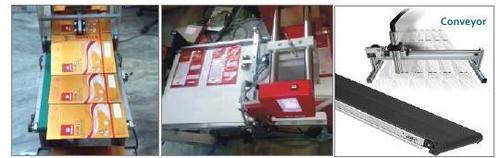
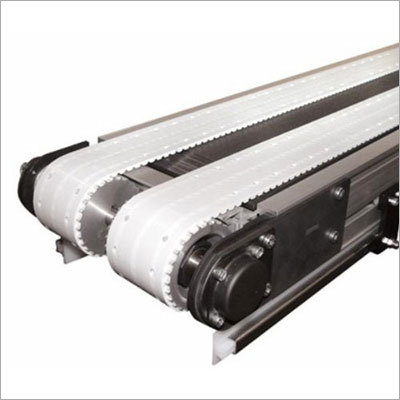
LMI Offers customised conveyors-both belt & roller in different configurations such as fixed or of variable speed depending upon the applications/ customers specifications
|
Feeder/ Stacker Specifications:
|
|
Min Width of product : 80x80mm
|
Power Supply:220 VAC 50 Hz
|
|
Max. Width of product: 440x440mm
|
Height:380mm
|
|
Min. Thickness of Product:0.08mm
|
Motor :1/2 HP AC
|
|
Max. Thickness of Product:30mm
|
Variable Speed Drive Panel
|
|
Maximum Belt Speed: Upto 25 MPM
|
|
Precision Engineering for Demanding EnvironmentsDesigned to perform across diverse operating temperatures and rugged conditions, this conveyor system boasts a powder-coated mild steel construction, ensuring longevity and corrosion resistance. Its flexibility in width and thickness makes it suitable for a wide variety of material handling requirements, supporting 50-150 kg per foot.
Advanced Control and Automation OptionsWith compatibility for PLC or manual control systems, users can tailor automation levels to specific operational needs. The motorized drive delivers consistent performance while installation is streamlined through floor mounting, enhancing both safety and reliability in industrial setups.
Versatility Across ApplicationsWhether used in warehousing, industrial automation, or distribution centers, this conveyor supports vertical and pneumatic transport for more complex workflows. Its combined belt and roller structure enables effective handling of diverse materials, optimizing efficiency and throughput across multiple sectors.
FAQs of Conveyors System:
Q: How does the conveyor system manage material handling in high-load environments?
A: The conveyor system is constructed with a powder-coated mild steel frame, offering load capacities of 50-150 kg per foot. Combined belt and roller structures facilitate smooth transport of heavy items while maintaining structural integrity and operational efficiency.
Q: What are the available options for controlling the conveyor systems operations?
A: The system supports both Programmable Logic Controller (PLC)-based automation and manual operation. This allows operators to select the most suitable control mode for their workflow, increasing adaptability in dynamic material handling environments.
Q: When should vertical or pneumatic conveyor configurations be used in industrial settings?
A: Vertical conveyor options are ideal for multi-level material transfer, while pneumatic conveyors are best for moving lightweight or granular products, particularly in applications where rapid and dust-free transfer is required. Both configurations enhance system versatility for complex logistics.
Q: Where can the conveyor system be effectively installed?
A: The conveyor is designed for floor mounting, making it suitable for warehousing spaces, manufacturing facilities, and distribution operations across India. Its installation supports stability and safe transport of materials in various industrial sectors.
Q: What process is involved in maintaining the conveyor system for optimal efficiency?
A: Routine inspections, lubrication of moving components, and timely cleaning of the powder-coated surfaces are essential. The systems low-maintenance design minimizes downtime and keeps operational costs under control, ensuring longevity and reliability.
Q: How does the conveyor system enhance safety and noise reduction in the workplace?
A: With a noise level below 70 dB and corrosion-resistant finishing, the conveyor system contributes to safer and quieter workspaces. Precision engineering and robust frame construction further support secure material handling, reducing workplace hazards and interruptions.
Q: What benefits can users expect from this automated conveyor system?
A: Users will experience improved efficiency, energy savings, and high load-bearing capacity. The system is easy to install and maintain, making it a preferred choice for distributors, exporters, manufacturers, and suppliers looking for reliable automation solutions in the material handling sector.






 Send Inquiry


 Send Inquiry